

Brody Clark
Middle-distance · Cross country · Milton, ON
Connect your watch. PIRX delivers the most accurate race-time projection on the market, then tells you which seconds came from where. Built by Olympians. Works with the watch you already own.
Verified against real races — 97.4% accurate, median miss just 7 secondsFree · No sign-up · Instant result
Get the app

 Available Soon
 Available Soon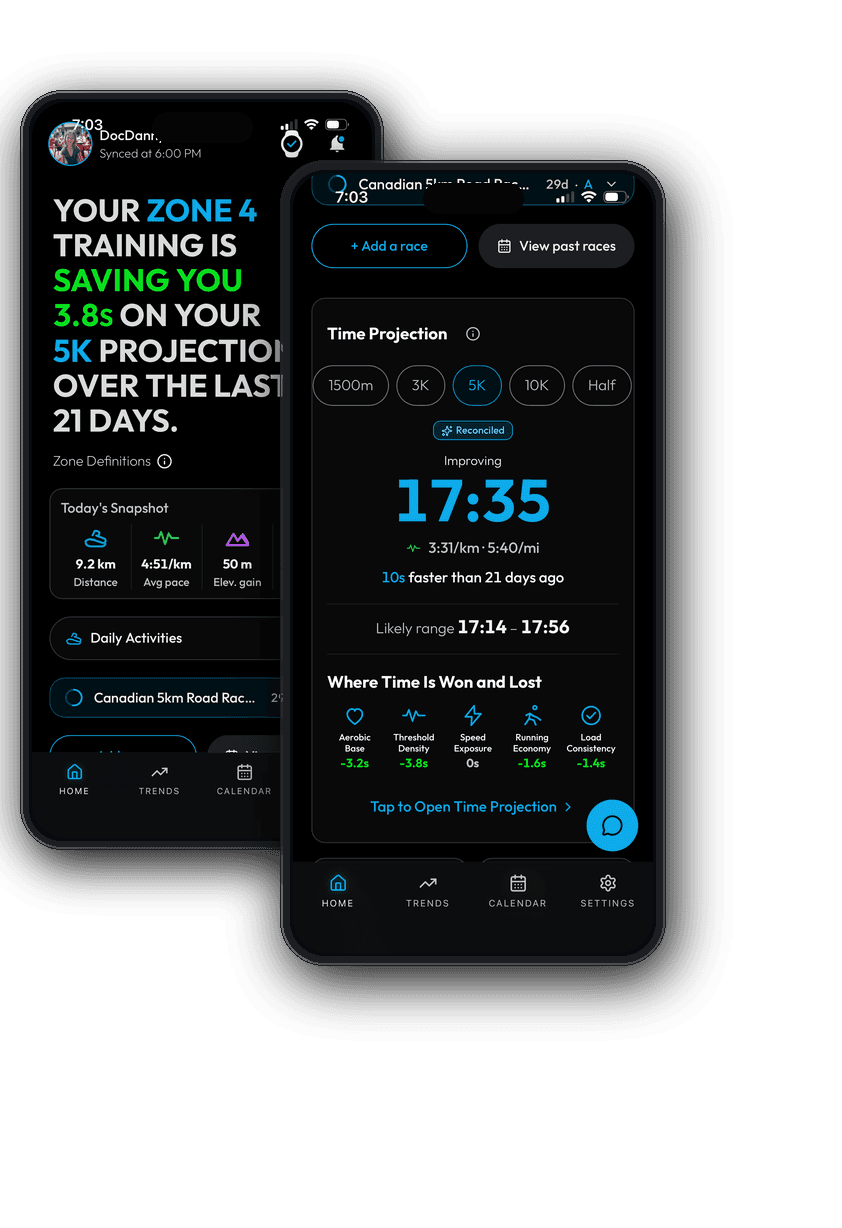
Home + Time Projection
Ambassadors
National team athletes and record holders training with PIRX every day.
Middle-distance · Cross country · Milton, ON

Middle-distance · Burlington TFC
Distance · Newmarket Huskies TC
Free tool · No signup · No wearable
Curious before you connect a watch? Enter one recent race result and get an instant projected finish time — plus the performance drivers behind it. No account, no hardware, no catch.
Predict my race time →Jump to your distance
Example · 10K → Marathon
Recent 10K45:00
Projected marathon
3:28:10
Supported range 3:24:30 – 3:33:40 · 4:56 /km
Illustrative example. Your projection uses your own race result.
Partners
We partner with federations, clubs and brands committed to helping runners train smarter.

Interested in partnering with PIRX? Get in touch.

Average time wasted before a runner figures out a training block isn't working.
Other platforms tell you how recovered you are. PIRX tells you what you're capable of.
How it works
Garmin, COROS, Polar, Apple Watch, Suunto, WHOOP, Oura link in 30 seconds. No new hardware.
PIRX analyzes your training history and delivers the most accurate race-time projection on the market.
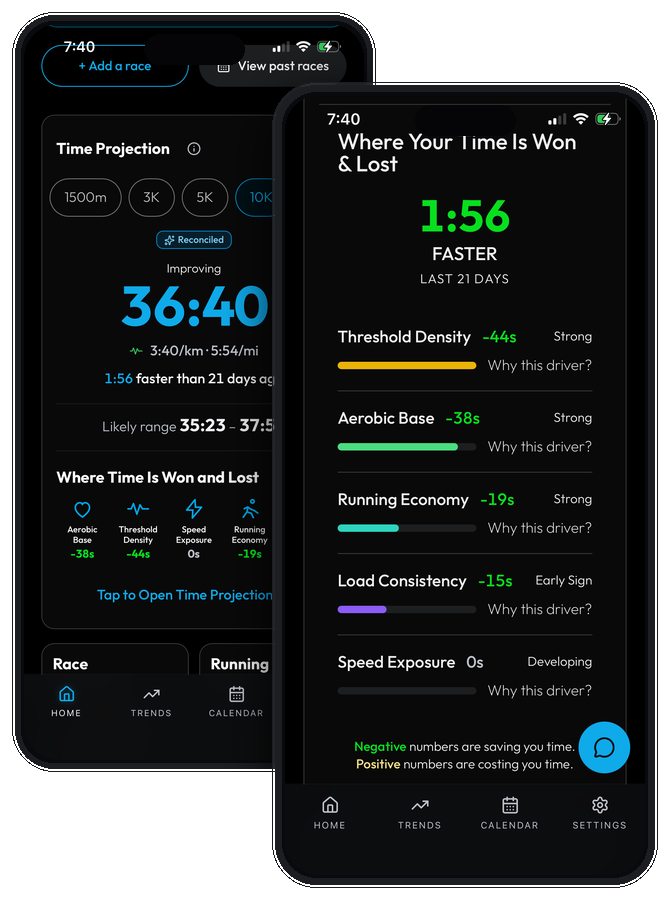
Five performance drivers, scored 0–100, broken down to the second. No guessing.
Adaptive plan, race-day readiness, and injury risk alerts, every day, on your wrist.
Your number
PIRX analyzes your training history and builds a projection that updates every day. No spreadsheets. No guessing. One number that tells you exactly where you stand.
“The first tool that actually told me what my training was worth.”
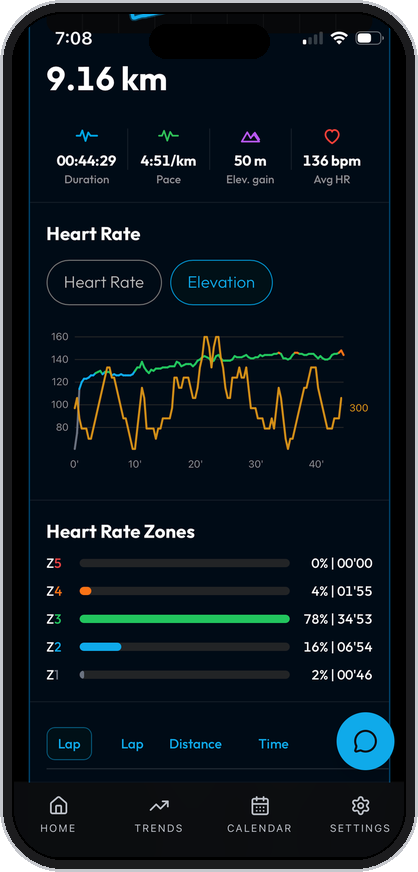
Five drivers
Aerobic Base. Threshold. Speed. Economy. Consistency. Five drivers, each scored 0–100 and broken down to the second. So you stop guessing what's working, and start training the right thing.
“I've enjoyed seeing the different training metrics, especially the breakdown of my running zones and how my training is being analyzed.”
Works with your watch
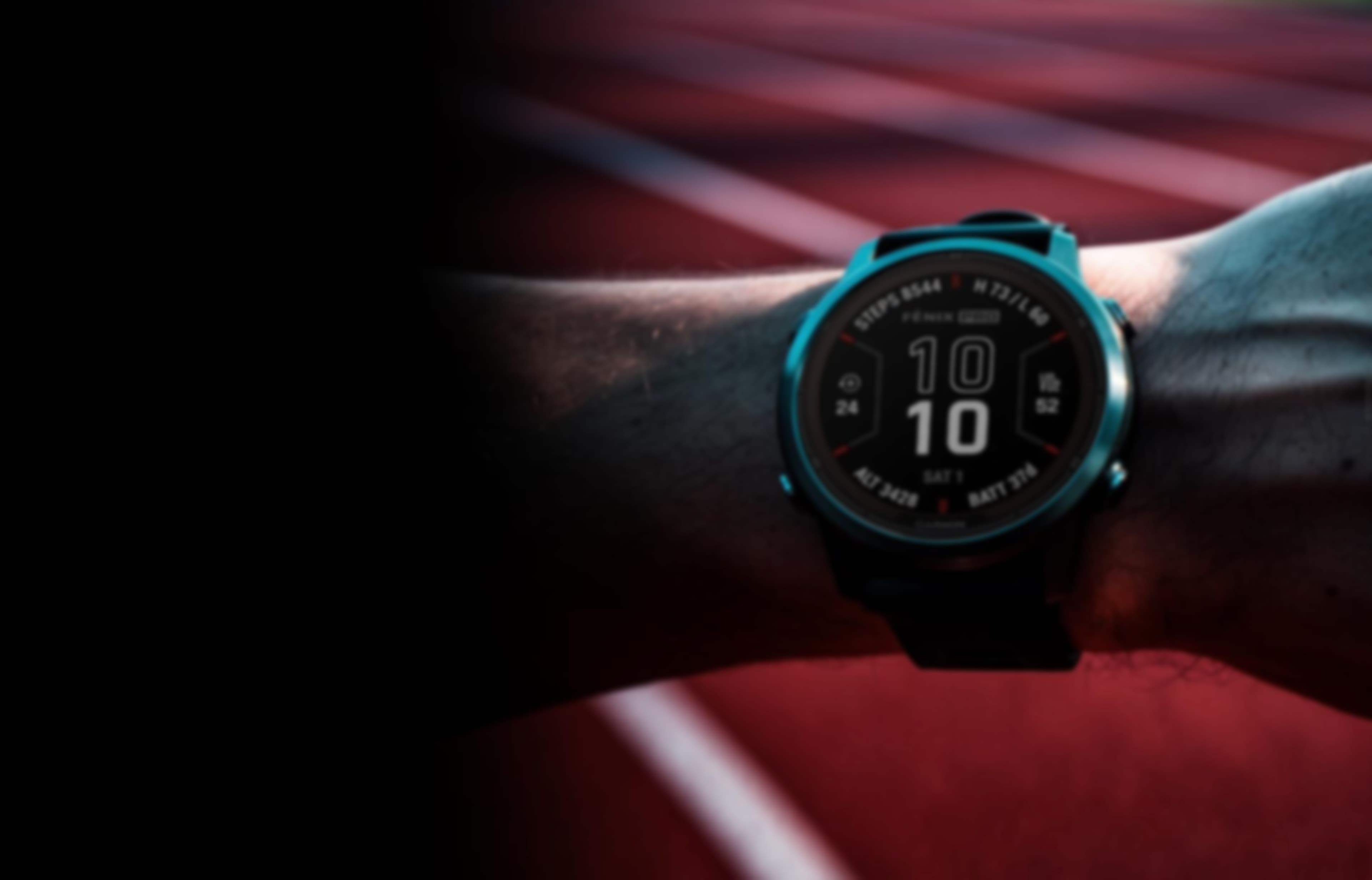
Connect in 30 seconds. PIRX pulls from every wearable you wear and every app you sync — Strava, Apple Health, Google Fit. One number, all your data.
“Linked my Garmin in under a minute. Had a projection before my coffee finished.”
Your last three threshold sessions came in 4% above target HR. You're projecting 3:14:23, but your aerobic base is the lever — adding one easy 90-min run this week pulls projection toward 3:13:11.
Personalized insights
PIRX never makes things up. Every recommendation pulls from your projections, drivers, readiness and injury risk, and tells you exactly where the advice came from.
“Closest I've had to a coach checking in with me every day.”

Base. Build. Peak. PIRX guides you through each phase with a daily readiness score and pace-driven workouts — so you arrive at the start line knowing exactly what you're capable of.
“It is great for giving athletes more insight into their fitness levels, as well as improving athlete's confidence before competing in an event.”
Intelligent training
Simple, honest pricing
Start with a 14-day free trial of Pro — no card required. After that, Free Lite keeps sync and calendar. Upgrade anytime for projections, drivers, and chat.
Free forever

“The 1500m prediction also seems to be very accurate based on my current fitness.”
Best for committed runners chasing a season goal.
$10 / month, billed annually
Got questions?

Start training, get faster
Try risk-free for 14 days. Watch your fitness, and your projection, improve.
Start your 14 day free trial →No credit card required · 30-day money-back guarantee
No credit card required · 30-day money-back guarantee